I’ve spent countless hours trying to quiet down road noise and irritating vibrations in various vehicles. Finding the right solution—the best insulation for sound deadening—isn’t just about covering metal; it’s about minimizing structural vibration and blocking high-frequency noise transmission. After testing several popular sound deadening mats and thermal insulators, I compiled this detailed review. Whether you’re upgrading your stereo, combating engine heat, or just want a peaceful commute, this guide will walk you through the top options I recommend for exceptional automotive noise reduction.
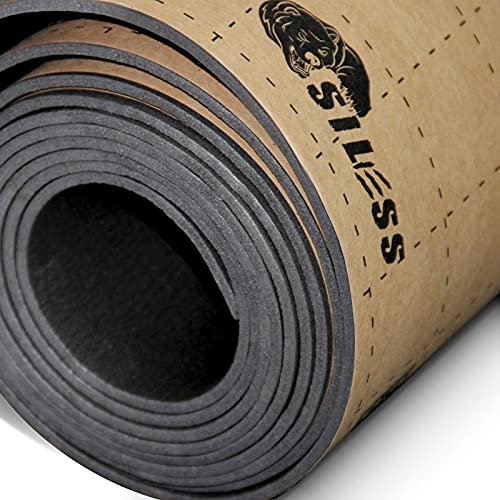
Siless Liner 157 (4 mm) mil 36 sqft Car Sound Deadening Closed Cell Foam & Heat Insulation mat – PE Foam Sound Deadener Material & Heat Barrier

This Siless Liner is an excellent option if your primary goal is blocking thermal transfer and mitigating high-frequency airborne noise, rather than just dampening vibrations. Made from closed-cell PE foam, it’s remarkably lightweight and doesn’t absorb moisture, making it ideal for floors, roofs, and door panels. Its closed-cell foam technology ensures it acts as a phenomenal heat barrier, keeping your vehicle cooler in summer and warmer in winter, while adding a crucial layer of secondary noise defense.
Key features that stand out:
Closed Cell Foam: Completely waterproof and oil-resistant, ensuring longevity and performance.
Heat Blocker and Vibration Deadener: Effectively blocks 98% of radiant heat transfer.
Lightweight, Waterproof: Highly compressible, flexible, and easy to handle during installation.
Pros:
– Exceptional thermal insulation properties.
– Does not absorb moisture or develop odors.
– Great value for the coverage area (36 sqft).
– Easy to cut and install due to its flexibility.
Cons:
– Not designed to be the primary vibration dampener (butyl is needed first).
Best for: Secondary soundproofing over butyl mats and maximum thermal management.
Expert Opinion: This foam is essential after you’ve applied a vibration-dampening material. It tackles the road noise that butyl mats miss and offers crucial protection against heat transfer from the firewall or floorpan.
KILMAT 80 mil 36 sqft Car Sound Deadening Mat, Butyl Automotive Sound Deadener, Audio Noise Insulation and dampening

KILMAT 80 mil is a classic, highly effective entry point into serious sound deadening. This self-adhesive butyl and foil combination is designed specifically to reduce panel vibration and structural resonance, which are the main culprits behind low-frequency road noise. The 80 mil thickness offers a significant performance boost over standard 50 mil products, and the unique embossing on the foil helps ensure you achieve professional, smooth adhesion every time you roll it out.
Key features that stand out:
Material Thickness: 80 mil material provides enhanced sound insulation compared to thinner options.
Butyl and Foil Construction: Highly sticky butyl compound dampens vibrations effectively.
Installation Indicator: Special embossing ensures 100% correct installation when rolled flat.
Pros:
– Excellent ratio of weight to dampening efficiency.
– Easy to cut and work with in handy-sized sheets.
– Ideal for high-vibration areas like door skins and trunk panels.
– Highly effective at turning resonance into harmless thermal energy.
Cons:
– Must be applied with a roller to achieve maximum dampening results.
Best for: First layer application for vibration dampening and reducing low-frequency hums.
Expert Opinion: If you hear rattling or drumming when driving over bumps, this is your solution. KILMAT is a reliable workhorse and a staple when starting any serious car audio upgrade or general noise reduction project.
Siless Liner 157 mil (4 mm) 36 sqft Aluminum Foil Finish Car Sound Deadening & Heat Insulation Closed Cell Foam – PE Foam Sound Deadener

This is the premium version of the Siless Liner, featuring an aluminum foil finish over the standard closed-cell PE foam. The addition of the aluminum foil significantly enhances its thermal rejection capabilities by blocking radiant heat, making it an excellent choice for areas exposed to extreme temperatures, such as firewalls and underhood applications. It provides the same lightweight, waterproof, and non-odor features as the standard Liner while maximizing heat protection.
Key features that stand out:
Aluminum Foil Finish: Provides superior radiant heat reflection (blocking 98% of transfer).
AluFoil LINER Closed Cell Foam: Excellent thermal barrier properties alongside noise insulation.
Waterproof and Flexible: Easy installation in complex curves and areas where moisture is a concern.
Pros:
– Provides dual functionality: thermal insulation and airborne noise absorption.
– Aluminum foil vastly improves heat blocking compared to non-foil foam.
– Lightweight and does not add significant mass to the vehicle structure.
– Durable and resistant to oil and water penetration.
Cons:
– The aluminum surface can make cutting slightly more challenging than plain foam.
Best for: Areas needing maximum heat rejection combined with sound insulation (firewalls, roofs, engine side of the hood).
Expert Opinion: The inclusion of foil makes this the best insulation for sound deadening when heat control is a top priority. It’s an excellent investment for truck owners or those living in hot climates looking for cabin cooling improvement.
Siless 80 mil (2mm) 36 sqft (3.4 sqm) Car Sound Deadening mat – Butyl Automotive Sound Deadener – Noise Insulation and Vibration Dampening Material (36 sqft)

Siless VIBRO is their dedicated high-performance vibration dampening material. It uses an advanced Bmastic formulation designed for automotive enthusiasts who require extreme performance. At 80 mil thick, it achieves the same excellent dampening capabilities as competitors but often comes at a more budget-friendly price point for the area covered. Installation is simple: trim, peel, place, and roll—no messy adhesives required.
Key features that stand out:
Advanced Formulation: Uses technologically advanced Bmastic for superior performance.
Extreme Performance: Designed for demanding sound damping applications.
Cost Effective: Provides competitive quality without the high price tag of premium brands.
Pros:
– Strong adhesion and high dampening capabilities at 80 mil thickness.
– Simple “peel and place” installation.
– Great price for a large coverage area (36 sqft).
– Effective immediately upon proper rolling.
Cons:
– Requires precise cutting to avoid material waste.
Best for: Car audio enthusiasts and budget-conscious DIYers needing industrial-grade vibration control.
Expert Opinion: This is a fantastic example of effective, high-quality butyl matting. For true vibration dampening (the necessary first step in soundproofing), 80 mil is the sweet spot, and Siless delivers on efficiency and value here.
80 mil 10 sqft Car Sound Deadening Mat, Butyl Automotive Sound Deadener, Audio Noise Insulation and dampening

This 10 sqft package is the smaller, more manageable version of the KILMAT 80 mil material. It features the same sticky self-adhesive butyl and foil construction, making it perfect for smaller projects or areas requiring spot treatment, like inner door skins, license plates, or small trunk sections. The smaller package size significantly lowers the entry cost for testing the material or completing minor repairs.
Key features that stand out:
Convenient Size: 10 sqft package is ideal for small projects or first-time users.
Effective Dampening: Same proven 80 mil thickness for optimal noise reduction.
Embossing Indicator: Retains the helpful visual indicator for correct application rolling.
Pros:
– Low cost makes it accessible for small areas or testing.
– Easy to store and handle due to the limited quantity.
– Highly effective vibration dampening material.
Cons:
– Coverage is limited, requiring multiple kits for full vehicle treatment.
Best for: Small vehicle areas, targeted rattle fixes, or first-time users testing sound deadening effectiveness.
Expert Opinion: Don’t underestimate the power of spot treatments. Applying this material to just the largest, flat panels can yield a substantial noise reduction, making this small kit surprisingly effective for addressing annoying rattles in doors or trunks.
Amazon Basics Car Sound Deadening Mat, 14.5″ x 10″, Pack of 10

The Amazon Basics mat provides a straightforward, accessible solution for basic car sound deadening. Made from a butyl rubber compound substrate with a reflective aluminum foil top, these pre-cut sheets are designed for quick and easy installation in common areas like the cabin floor or trunk. While it might not have the extreme performance metrics of enthusiast brands, it’s a reliable choice for general noise reduction and excellent value backed by a warranty.
Key features that stand out:
Pliable Material: Easy to cut and install without specialized tools.
Self-Adhesive Backing: Ensures secure, long-lasting placement.
Reflective Aluminum Foil: Provides better thermal insulation than plain butyl.
Pros:
– Very accessible pricing and widely available.
– Convenient pre-cut sheet sizes (10 sqft total coverage).
– Simple DIY installation process.
– Good for basic reduction of road and vehicle vibrations.
Cons:
– May be less dense than premium 80 mil materials, potentially reducing dampening efficiency slightly.
Best for: Casual users, general noise reduction, and budget-focused projects.
Expert Opinion: If you are new to soundproofing and want a general reduction in road buzz without breaking the bank, this Amazon Basics product is a great starting point. It offers tangible results for a minimal investment.
CHAOGANG 200mil 36.16 Sqft Car Sound Deadener Deadening Mat Noise and Heat Shield Insulation Closed Cell PE Foam Vibration Dampening Material for Car Hood Trim Roof Door and Trunk

The CHAOGANG mat stands out due to its incredible thickness: 200 mil (5mm). This product is a combination material—a highly dense closed-cell PE foam topped with 5A grade aluminum foil. Unlike the thinner 157 mil liners, this 200 mil density maximizes both acoustic absorption and thermal insulation, making it arguably the most effective single-layer solution for blocking heat and airborne noise. It is shipped in a roll, ensuring a smooth, crease-free application.
Key features that stand out:
Maximum Thickness (200 mil): Offers superior noise isolation and heat shielding.
High Density PE Foam: Designed specifically for aggressive heat insulation and sound dampening.
5A Grade Aluminum Foil: Premium finish resists oil, water, and heat, ensuring longevity.
Pros:
– The thickest CCF option reviewed, offering maximum performance.
– Excellent working temperature range (-40°C to +149°C).
– Roll-shipped for smooth installation.
– Highly effective on noisy areas like the roof and firewall.
Cons:
– The added thickness might make it difficult to fit behind tight panels or interior trim.
Best for: Projects where heat and high-frequency noise are the main concern, such as motorhomes, vans, or older vehicles with poor factory insulation.
Expert Opinion: This 200 mil CHAOGANG mat blurs the line between a standard liner and a serious barrier mat. It’s an investment in serious comfort and is the best insulation for sound deadening and thermal blocking in one single foam layer.
Comparison Insights for Selecting the Right Material
When deciding on the best insulation for sound deadening, you need to understand the difference between vibration dampening mats (Butyl) and noise/heat insulators (Closed Cell Foam).
The KILMAT and Siless 80 mil products (Reviews 2, 4, 5, 6) are Butyl Sound Dampeners. Their job is to add mass to thin metal panels, reducing vibration. This is the crucial first step for vibration dampening.
The Siless Liner and CHAOGANG products (Reviews 1, 3, 7) are Closed Cell Foam (CCF) Insulators. Their job is to block airborne noise, high frequencies, and heat transfer. They are typically applied over the butyl matting for complete soundproofing.
For maximum results, always use a butyl mat followed by a closed cell foam layer. The CHAOGANG 200mil is the best CCF thickness for ultimate insulation, but the Siless 157 mil with aluminum foil (Review 3) offers the best balance of thickness and radiant heat rejection.
If you are only dealing with rattles and panel resonance, the 80 mil butyl mats are enough. If you hear constant road hum and engine drone, you need the CCF layer as well, ensuring you have a quality best insulation for sound deadening solution.
Final Verdict: Choosing Your Soundproofing Champion
If you’re tackling a sound deadening project, your choice should align with your specific noise problem:
The Best All-Around Performer (Vibration Control):
The KILMAT 80 mil 36 sqft Car Sound Deadening Mat offers proven quality, excellent coverage, and the unique installation indicator, making it reliable for professionals and DIYers alike.
The Best for Heat and Noise Blocking (Secondary Layer):
The CHAOGANG 200mil Closed Cell PE Foam wins here. Its industry-leading thickness provides the absolute best protection against extreme heat and high-frequency airborne noise when applied over a butyl layer.
The Best Budget-Friendly Starter Kit:
The Amazon Basics Car Sound Deadening Mat, Pack of 10 is the easiest way to jump into sound deadening, providing basic, tangible results for targeted areas at a low cost.
Frequently Asked Questions About best insulation for sound deadening
How do sound deadening mats actually work?
Sound deadening mats, specifically butyl rubber products, work through a process called constrained layer damping (CLD). When applied to a vibrating metal panel (like a car door), the added mass and the soft butyl material convert the vibrational energy into negligible amounts of heat. This stops the panel from resonating, which significantly reduces low-frequency structural noise and rattles.
Is Closed Cell Foam (CCF) or Butyl better for sound deadening?
Neither is inherently “better”—they perform different functions. Butyl is essential for vibration dampening (stopping the metal panels from shaking). Closed Cell Foam (CCF) is used for thermal insulation and acoustic absorption (blocking road noise and wind noise that travels through the air). For the most effective noise reduction, you should use both: butyl first, followed by CCF.
What does “mil” mean when talking about sound deadening materials?
“Mil” is a unit of measurement equal to one-thousandth of an inch (0.001 inches). When referring to the best insulation for sound deadening, the mil thickness relates directly to the product’s mass and effectiveness. Most high-quality butyl mats start at 80 mil thickness (0.08 inches), which is a great balance of performance and pliability for DIY installation.
Do I need special tools to install sound deadening materials?
While the materials are self-adhesive, you should always use a roller for proper application. This ensures the material adheres completely to the surface, especially the crucial butyl matting. If the butyl isn’t fully stuck down, it won’t perform the necessary constrained layer damping (CLD). Scissors or a utility knife are also necessary for cutting the material to shape.
Where are the most critical areas to install sound deadening mats in a car?
The most critical areas for automotive noise reduction are the large, flat panels that vibrate the most. This includes the inner and outer door skins, the trunk floor and sides, and the vehicle floorboards. For maximum thermal protection, focus on the firewall and the roof of the vehicle.
Can sound deadening materials help with engine heat?
Yes, they absolutely can. Products that feature a top layer of aluminum foil, such as the Siless Liner with aluminum foil or the CHAOGANG 200mil, are highly effective as heat shield insulation. The foil reflects radiant heat away from the cabin, significantly reducing the heat transferred from the engine bay or sun-baked roof into the vehicle interior.
Affiliate Disclosure: As an Amazon Associate, I earn from qualifying purchases made through links on this site.